Indian Snacks Trend 2026: How Indian Snacking Habits Are Changing
Introduction The way India snacks is no longer the same as it was a few years ago. In 2025, snacking has become smarter, healthier, and...
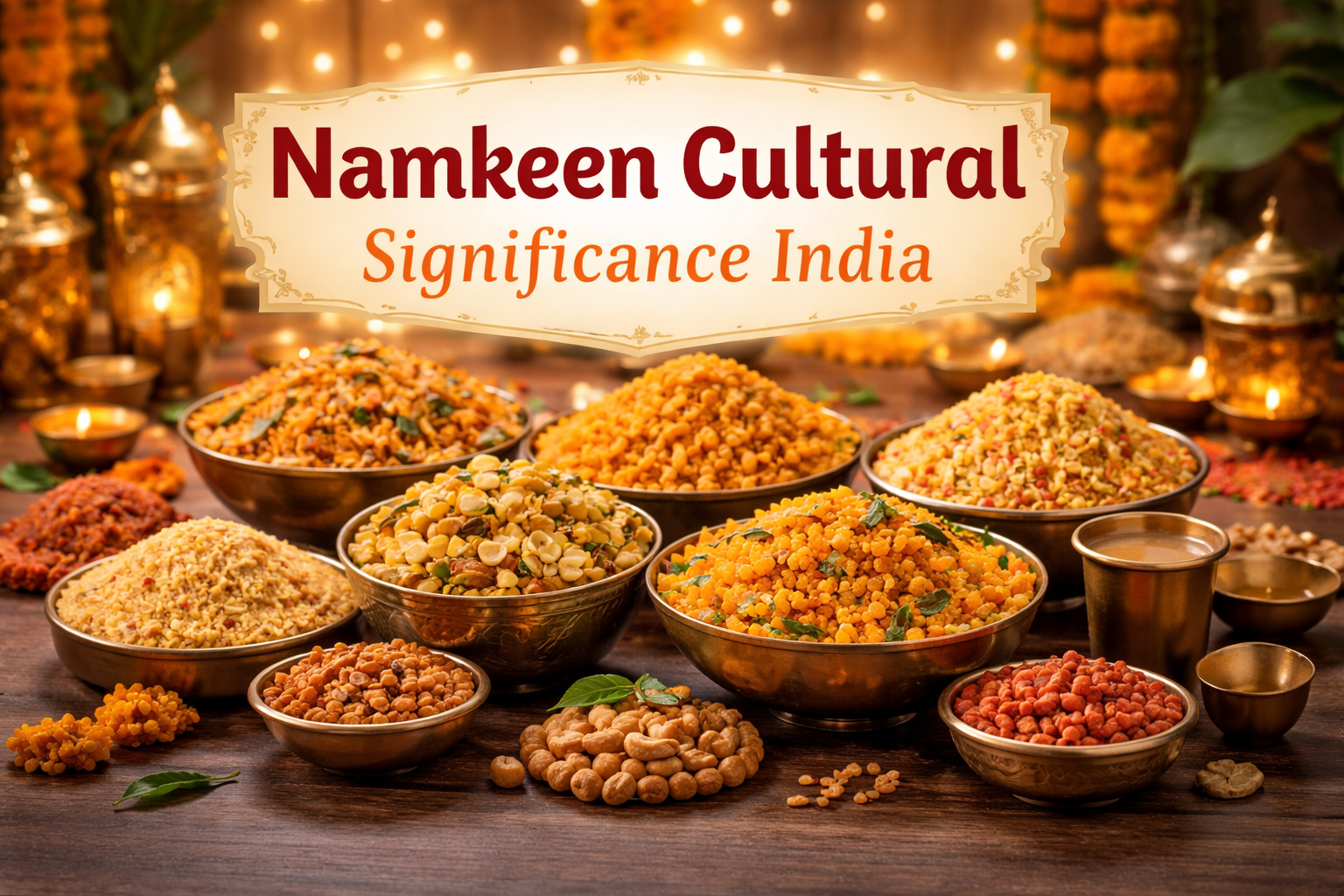
Namkeen cultural significance in India is closely tied to everyday food habits, social customs, and family traditions. In Indian homes, namkeen is not treated as just a snack—it is a part of daily life. Whether served with evening tea or offered to guests, namkeen reflects warmth, simplicity, and hospitality.
The cultural importance of namkeen comes from its ability to fit into every moment, from casual conversations to formal gatherings. This makes it a timeless element of Indian food traditions.
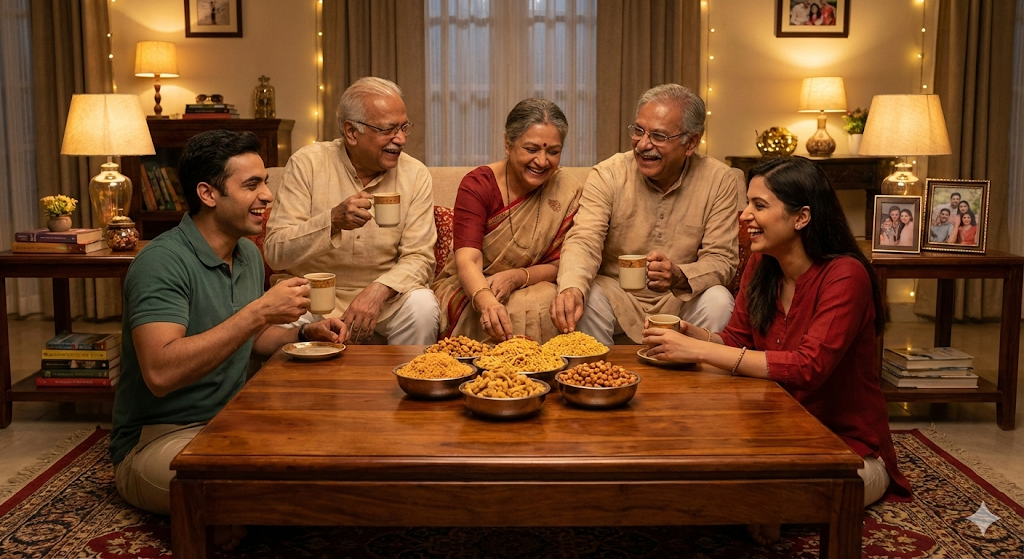
Hospitality is deeply rooted in Indian culture, and food plays a central role in welcoming guests. A bowl of namkeen is often the first thing placed on the table when someone visits.
This small gesture carries meaning. It represents respect, openness, and care. The namkeen cultural significance in India becomes evident in how it helps start conversations and creates a comfortable atmosphere without the need for elaborate meals.
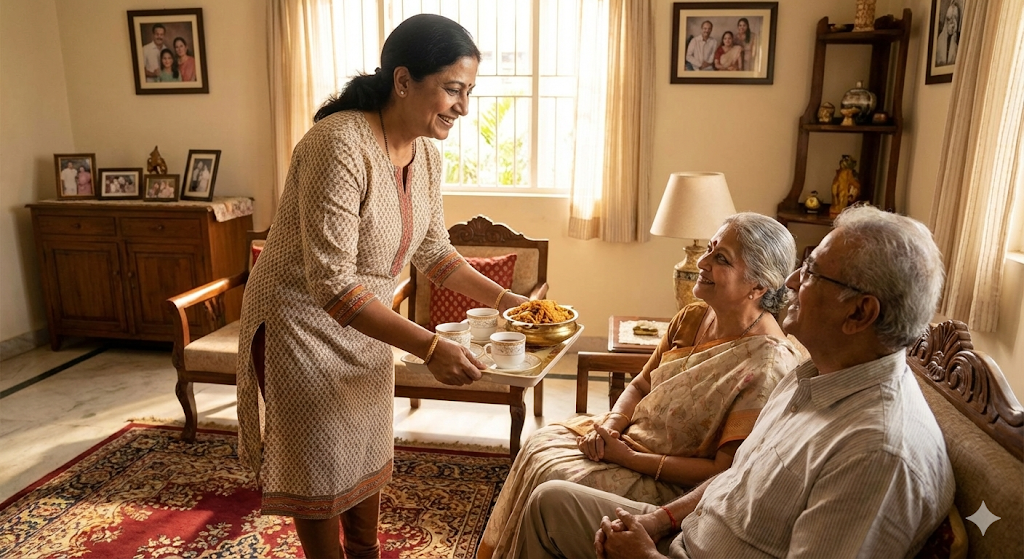
India’s diversity is beautifully expressed through its regional namkeen varieties. Each region uses local ingredients and spice levels to create its own unique version.
For example:
These variations highlight how namkeen adapts while still maintaining its cultural identity across the country.
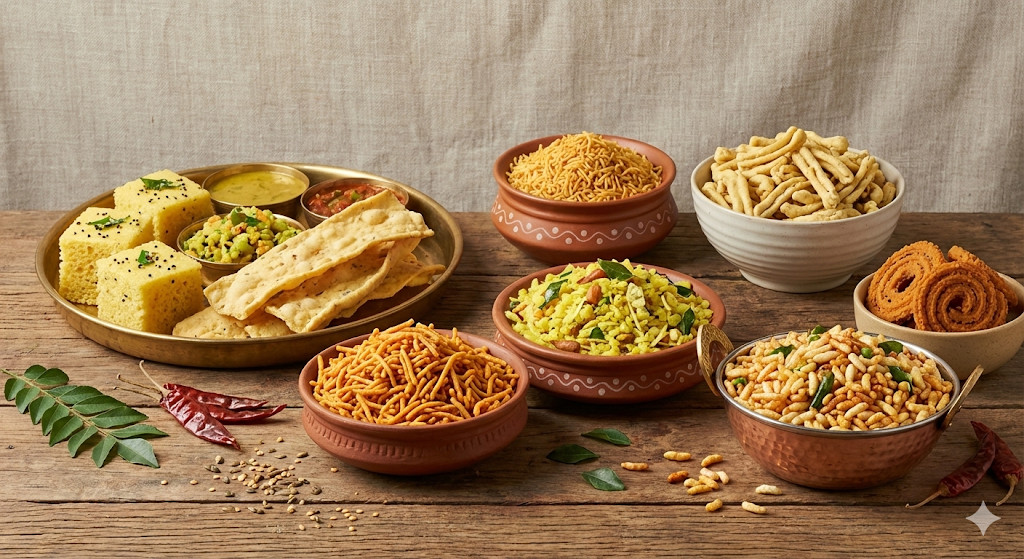
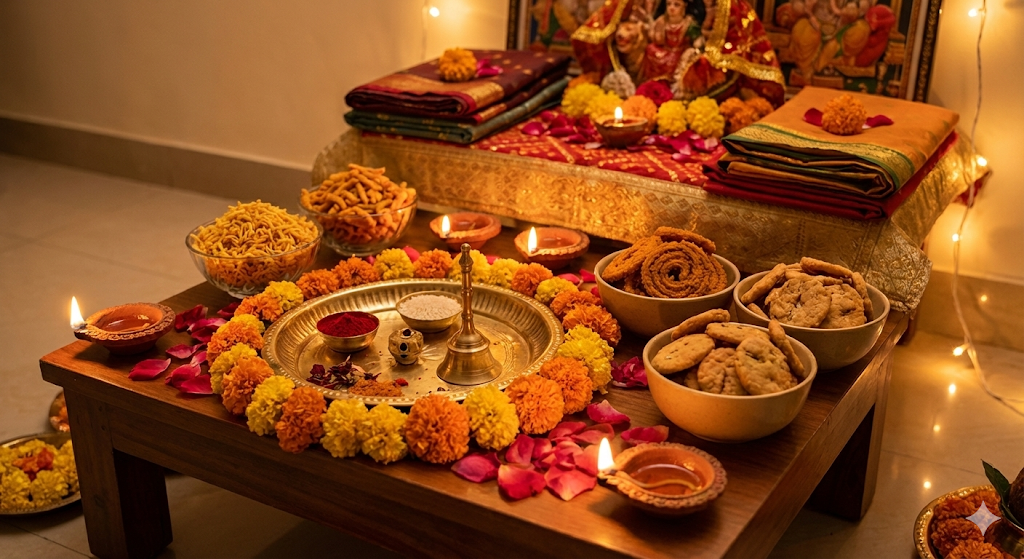
Festivals and religious occasions strengthen the namkeen cultural significance in India. During Diwali, namkeen is shared in gift boxes. During fasting periods like Navratri and Ekadashi, special farali versions are prepared using fasting-approved ingredients.
Its presence during rituals and celebrations shows that namkeen is not random food—it respects traditions and religious practices while bringing people together.
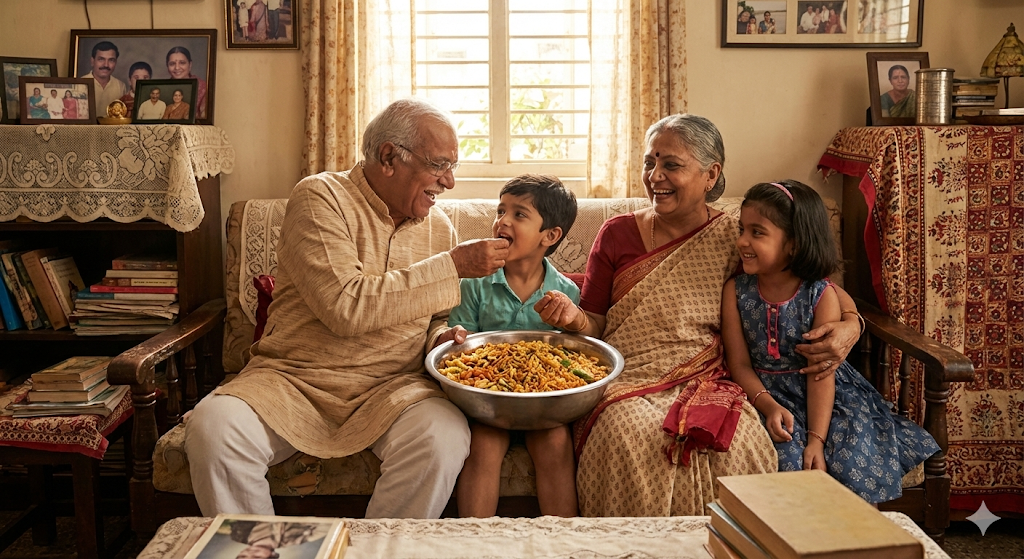
Namkeen holds emotional value across generations. Older family members often remember homemade namkeen prepared in large quantities before festivals. Younger generations enjoy modern, hygienically packed options.
Despite changes in preparation and packaging, the emotional connection remains the same. This continuity explains why namkeen continues to be culturally relevant even today.
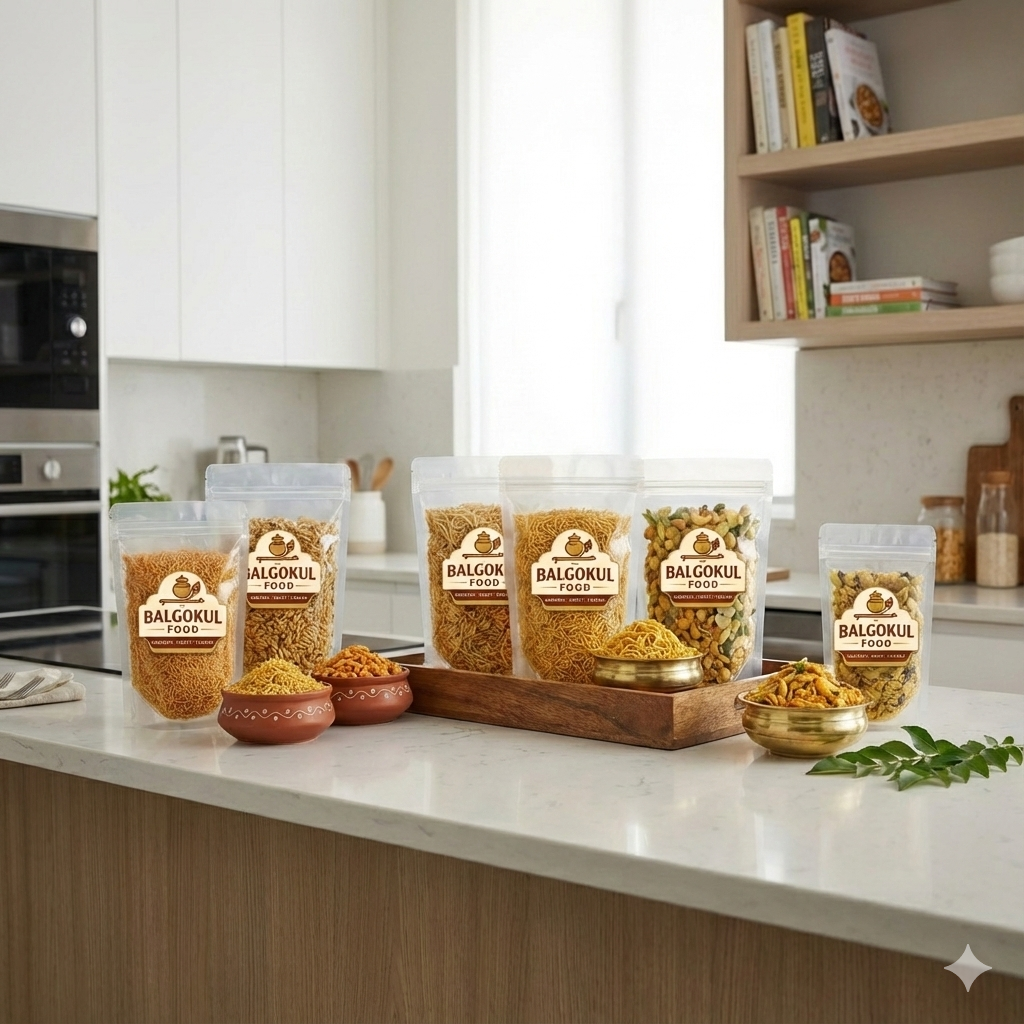
Modern lifestyles have changed how people consume food, but namkeen has adapted without losing its roots. Improved hygiene, better packaging, and consistent quality have made it more accessible.
At the same time, traditional recipes and familiar flavors remain unchanged. This balance ensures the namkeen cultural significance in India stays intact even in 2025.
In fast-paced modern life, people seek food that feels familiar and comforting. Namkeen fulfills this need perfectly.
It is easy to serve, suitable for all age groups, and deeply connected to Indian culture. These qualities explain why namkeen continues to be a permanent part of Indian kitchens.
The namkeen cultural significance in India is also visible in everyday eating habits. Unlike occasional snacks, namkeen is consumed daily in many households. It is served with tea, packed for travel, offered to guests, and even used as a side item with meals.
In Indian food traditions, namkeen represents convenience without losing cultural value. This daily usage strengthens the namkeen cultural significance in India, proving that it is not limited to festivals or special occasions but deeply embedded in routine life.
Because namkeen fits effortlessly into modern schedules while preserving traditional flavors, it continues to remain relevant across generations and regions.
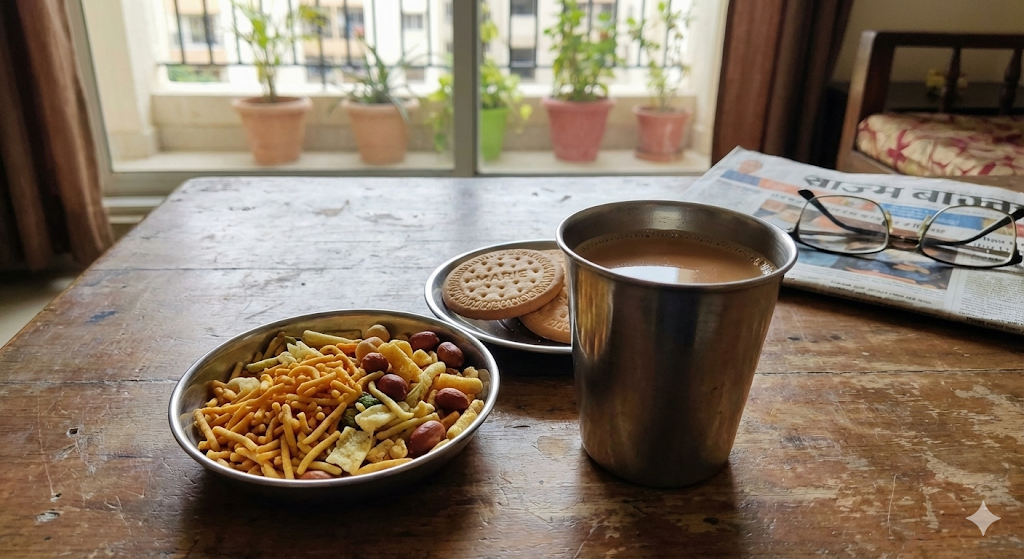
The namkeen cultural significance in India lies in its simplicity, versatility, and emotional value. It represents hospitality, regional pride, and shared moments that define Indian food traditions.
As food habits evolve, namkeen remains a constant—preserving tradition while fitting effortlessly into modern life.
 29Dec
29Dec
 06Jan
06Jan
 07Jan
07Jan
 08Jan
08Jan
 21Dec
21Dec
 24Dec
24Dec
Register now & get 30% automatic discount on shopping until wallet balance is used.
 by
by